
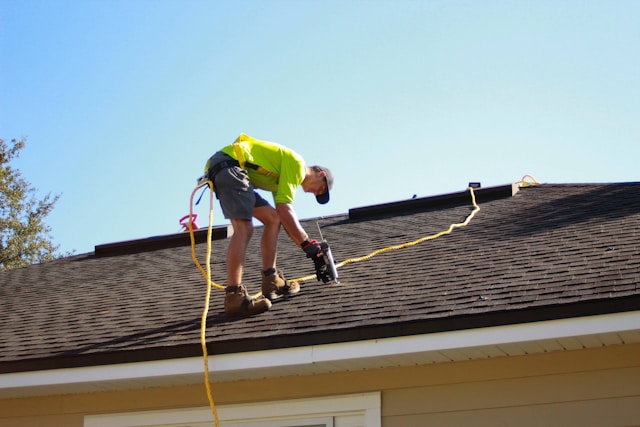
Your roof is one of the most important parts of your property, providing continuous protection against rain, wind, snow, sunlight, and changing weather conditions throughout the year. Despite its essential role, it is often overlooked until a noticeable problem develops. Regular roof maintenance and preventive care can significantly extend the lifespan of your roofing system while helping you avoid costly repairs and unexpected structural damage. At dakpunts.com, we believe that a proactive approach to roof care is the most effective way to preserve your investment, maintain your property’s appearance, and ensure long-term peace of mind. By following simple maintenance practices and scheduling regular inspections, homeowners and property managers can identify minor issues before they become major concerns.
Seasonal roof inspections are among the most valuable preventive maintenance practices. Every season brings unique weather conditions that can affect roofing materials in different ways. Heavy rain may expose small leaks, winter frost can weaken roofing components, while summer heat and UV rays gradually age roofing surfaces. Conducting a visual inspection at least twice a year, particularly during spring and autumn, allows you to detect cracked tiles, loose flashing, damaged shingles, clogged drainage systems, or signs of water pooling. Addressing these issues early prevents moisture from penetrating the roof structure, reducing the risk of mold growth, wood rot, and insulation damage. Routine inspections also help identify wear caused by storms before it develops into more extensive structural problems.
Keeping gutters and drainage systems clean is another essential aspect of roof maintenance. Gutters play a vital role in directing rainwater safely away from the roof and foundation. When leaves, branches, moss, or other debris accumulate inside gutters, water can overflow and seep beneath roofing materials. This excess moisture may damage fascia boards, roofing membranes, exterior walls, and even the building’s foundation over time. Cleaning gutters several times a year, especially after autumn leaf fall and severe storms, ensures proper water flow and reduces unnecessary stress on the roofing system. Installing gutter guards may also help minimize debris buildup while reducing the frequency of cleaning.
Roof debris should never be ignored because even small accumulations can trap moisture against roofing materials. Fallen leaves, twigs, dirt, and organic matter create an environment where moss, algae, and mold can thrive. These organisms retain moisture and gradually weaken roofing surfaces, shortening the roof’s lifespan. Removing debris using safe cleaning methods helps maintain proper drainage while protecting roofing materials from unnecessary deterioration. It is equally important to trim overhanging tree branches that may scrape the roof during strong winds or drop excessive leaves and branches onto the surface. Proper tree maintenance also minimizes the risk of impact damage during storms.
Moss and algae growth are common roofing issues in areas with frequent rainfall or high humidity. While they may initially appear to be cosmetic concerns, they can gradually damage roofing materials if left untreated. Moss absorbs moisture and lifts shingles or tiles, allowing water to penetrate beneath the roof covering. Algae may stain roofing surfaces and contribute to premature aging. Using professional roof cleaning methods designed for your specific roofing material helps remove these organisms without causing unnecessary damage. Harsh pressure washing techniques should generally be avoided because they can loosen protective granules or damage delicate roofing components.
Flashing is another critical component that deserves regular attention. Flashing is installed around chimneys, skylights, roof valleys, vents, and other roof penetrations to create a watertight seal. Over time, flashing may loosen, corrode, crack, or separate due to weather exposure and natural expansion and contraction. Damaged flashing is one of the leading causes of roof leaks because it allows water to enter vulnerable areas. Routine inspections help identify flashing issues before significant water damage occurs. Prompt repairs ensure these protective barriers continue functioning effectively throughout the roof’s lifespan.
Proper attic ventilation and insulation also play a significant role in roof health. Many homeowners focus only on the roof’s exterior while overlooking conditions beneath the roof structure. Inadequate ventilation allows excessive heat and moisture to build up inside the attic, accelerating the deterioration of roofing materials and increasing the likelihood of condensation problems. During colder months, poor ventilation may contribute to ice dam formation, while excessive summer heat can prematurely age shingles and membranes. Well-balanced attic ventilation combined with effective insulation helps regulate indoor temperatures, reduce energy costs, and support the long-term performance of the roofing system.
After severe weather events such as heavy rain, hailstorms, strong winds, or snowfall, it is wise to inspect the roof for visible damage. Even if there are no immediate signs of leaks inside the building, weather-related damage may not always be obvious from the ground. Missing tiles, lifted roofing materials, dented flashing, damaged gutters, or loose ridge caps should be addressed promptly before the next storm arrives. Early intervention prevents minor weather damage from developing into more extensive structural repairs. Professional inspections following major storms can also provide valuable documentation if insurance claims become necessary.
Preventive maintenance should always include checking for interior warning signs as well. Water stains on ceilings, peeling paint, damp insulation, musty odors, or visible mold growth may indicate hidden roof leaks. These symptoms often appear long after water has already entered the roofing system, making early detection especially important. Investigating these warning signs promptly can prevent further structural damage while protecting indoor air quality and maintaining a healthier living environment.
Although many basic maintenance tasks can be performed safely from the ground, professional roof inspections remain one of the best investments in long-term roof care. Experienced roofing specialists have the expertise to identify hidden problems that may not be visible to untrained eyes. They can evaluate flashing, drainage systems, roof membranes, structural components, and overall roof condition while recommending preventive repairs before serious issues arise. Regular professional maintenance not only extends the life of the roof but also helps maintain property value and reduce future repair expenses.
At dakpunts.com, we understand that a well-maintained roof provides lasting protection, improved energy efficiency, and greater confidence during every season. Consistent preventive care, timely inspections, and prompt repairs are the foundation of a durable roofing system that continues performing year after year. By making roof maintenance a regular part of your property care routine, you can protect your investment, minimize unexpected repair costs, and ensure your home or commercial building remains safe, secure, and weather-resistant for many years to come.