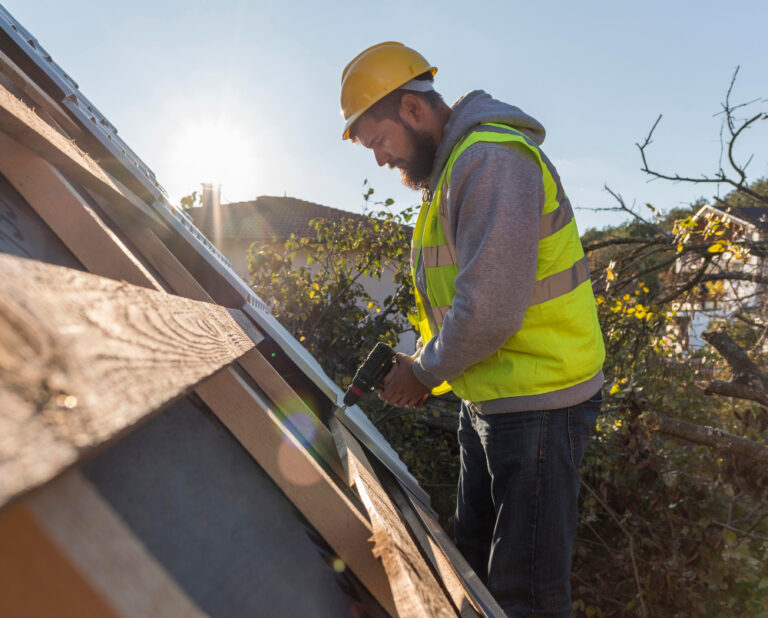
Storms can leave behind more damage than many homeowners realise. Even when a roof appears intact from the ground, high winds, heavy rain, hail, and falling debris may have weakened roofing materials or created small openings that allow water to enter your home. Ignoring these issues can lead to expensive structural repairs, mould growth, insulation damage, and reduced energy efficiency.
Knowing how to identify storm damage early is one of the best ways to protect your property and avoid major repair costs.
Why Storm Damage Isn’t Always Visible
Many roofing problems begin as minor issues. A single lifted shingle or cracked roof tile may seem insignificant, but it can allow moisture to penetrate beneath the roofing system. Over time, this moisture damages underlayment, timber structures, ceilings, and insulation.
Strong winds may loosen roofing materials without removing them completely, making damage difficult to notice from ground level. Heavy rainfall can expose weak flashing around chimneys, skylights, and roof vents, while hail may leave dents or fractures that shorten the roof’s lifespan.
Common Signs of Storm Damage
After severe weather, homeowners should safely inspect their property for visible warning signs.
Look for:
- Missing or broken roof tiles
- Lifted or curled shingles
- Pieces of roofing material on the ground
- Damaged gutters or downpipes
- Loose flashing
- Fallen tree branches on the roof
- Blocked gutters filled with roofing debris
Inside the property, check ceilings and loft spaces for:
- Water stains
- Damp insulation
- Peeling paint
- Mould growth
- Musty odours
These signs often indicate water has entered through damaged roofing components.
Wind Damage
High winds place enormous pressure on roofing systems. Even moderate storms can loosen ridge caps, lift shingles, or separate flashing from roof edges.
Wind damage commonly affects:
- Ridge tiles
- Roof edges
- Chimney flashing
- Fascia boards
- Soffits
If left untreated, future storms can worsen existing weaknesses.
Hail Damage
Hailstones vary in size but can cause significant roof damage regardless of roofing material.
Possible signs include:
- Cracked tiles
- Granule loss on asphalt shingles
- Dents in metal roofing
- Damaged roof vents
- Broken skylights
Because hail damage often weakens waterproof layers, professional inspection is recommended even when damage appears minor.
Water Damage
Heavy rainfall tests every part of your roofing system.
Problems may develop around:
- Chimneys
- Roof valleys
- Skylights
- Vent pipes
- Flashing joints
Water entering through these areas often travels before becoming visible indoors, making professional inspections valuable.
Why Quick Repairs Matter
Delaying storm repairs can create larger problems.
Minor roof damage may eventually lead to:
- Ceiling leaks
- Rotten timber
- Damaged insulation
- Electrical hazards
- Mould growth
- Interior decoration damage
Repairing a few damaged tiles is significantly less expensive than replacing structural roof components.
The Importance of Professional Roof Inspections
Not all storm damage can be identified without climbing onto the roof.
Professional roofers inspect:
- Flashing integrity
- Roof membrane condition
- Structural movement
- Hidden water entry points
- Gutter performance
- Ridge security
Early detection helps prevent unexpected repair bills.
Preventing Future Storm Damage
Although no roof is completely storm-proof, regular maintenance greatly improves resilience.
Recommended maintenance includes:
- Cleaning gutters twice annually
- Trimming overhanging branches
- Replacing damaged tiles promptly
- Checking flashing regularly
- Inspecting after every major storm
- Scheduling annual roof inspections
Well-maintained roofs perform better during extreme weather.
Insurance Considerations
Many insurance providers require homeowners to report storm damage promptly. Taking photographs immediately after a storm and arranging a professional inspection creates useful documentation if a claim becomes necessary.
Waiting too long may complicate the claims process.
Final Thoughts
Storm damage should never be ignored, even if it appears minor. Small roofing problems often grow into expensive repairs when moisture enters the roof structure. Regular inspections, prompt repairs, and preventative maintenance help protect your investment while extending the life of your roof.