Your roof is one of the most important investments you will make in your home. It protects your family, belongings, and the structural integrity of the property while contributing to energy efficiency and kerb appeal. With so many roofing materials available, choosing the right option can feel overwhelming. Each material offers different benefits in terms of durability, maintenance, appearance, and cost, so understanding your options is the first step toward making an informed decision.
Consider Your Local Climate
The climate in your area plays a major role in determining which roofing material will perform best. Homes in regions with frequent rain require materials that effectively shed water, while areas prone to strong winds benefit from roofing systems designed to resist uplift.
If your property experiences heavy snowfall, a roof with a steeper pitch and durable materials can help prevent snow accumulation and reduce stress on the structure. For warmer climates, reflective roofing materials can reduce heat absorption and improve indoor comfort.
Selecting a roofing material that matches your local weather conditions helps maximise the lifespan of your roof.
Evaluate Durability
Different roofing materials offer varying levels of durability.
Some common options include:
- Asphalt shingles
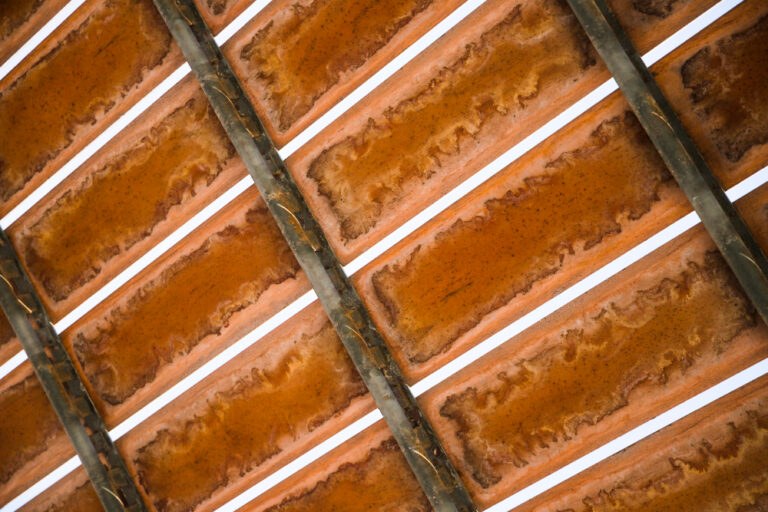
- Clay tiles
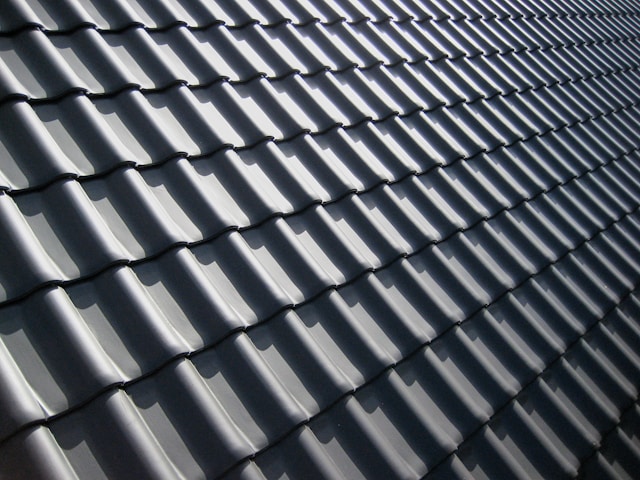
- Concrete tiles
- Slate roofing
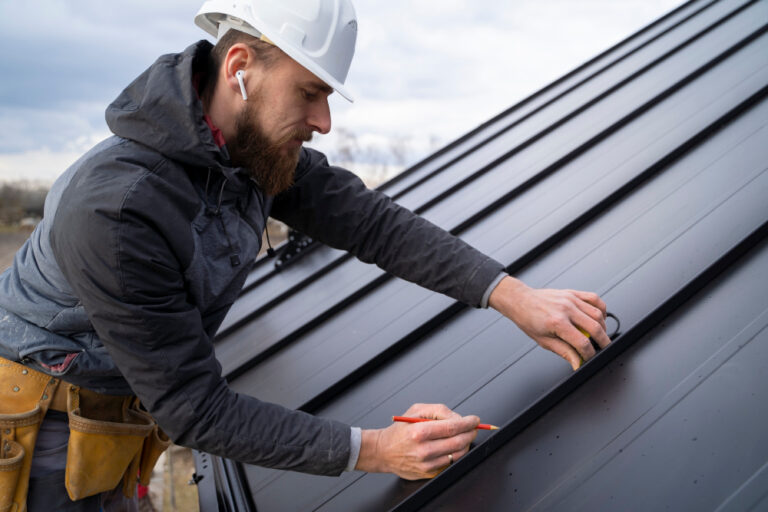
- Metal roofing
- Composite roofing
Asphalt shingles are among the most popular due to their affordability and reliable performance. Slate offers exceptional longevity but comes with a higher upfront investment. Metal roofing provides excellent resistance to weather while remaining lightweight.
Choosing a durable material often reduces long-term maintenance costs.
Think About Maintenance Requirements
Every roof requires maintenance, but some materials demand more attention than others.
For example:
- Asphalt shingles may require occasional replacement after severe weather.
- Clay tiles can crack if impacted by heavy objects.
- Metal roofs typically require minimal maintenance.
- Slate roofs are extremely durable but should be inspected periodically.
Homeowners who prefer minimal upkeep may benefit from investing in materials known for their long lifespan and low maintenance needs.
Consider the Appearance of Your Home
Your roof significantly influences your home’s overall appearance.
When choosing roofing materials, consider how they complement:
- Exterior walls
- Windows
- Architectural style
- Landscaping
- Neighbouring properties
Traditional homes often pair well with slate or clay tiles, while modern properties may benefit from sleek metal roofing or architectural shingles.
A well-chosen roof enhances both property value and visual appeal.
Energy Efficiency Matters
Modern roofing materials can help improve energy efficiency.
Reflective roofing products reduce heat absorption, keeping homes cooler during summer months. Proper insulation beneath the roofing material further improves energy performance by reducing heating and cooling costs throughout the year.
Energy-efficient roofing contributes to greater indoor comfort while lowering utility bills.
Budget for the Long Term
Many homeowners focus solely on the initial installation cost. However, the true value of a roofing material lies in its lifetime cost.
A less expensive roof may require more frequent repairs or earlier replacement, while premium materials often deliver decades of reliable performance with fewer maintenance expenses.
When comparing options, consider:
- Installation costs
- Expected lifespan
- Repair frequency
- Maintenance expenses
- Energy savings
Balancing upfront investment with long-term value leads to better financial decisions.
Check Structural Compatibility
Not every roof structure can support every roofing material.
Heavier products such as slate or clay tiles may require additional structural reinforcement. Lightweight options like metal roofing place less stress on the building while still offering excellent durability.
A professional roofing contractor can determine whether your home’s structure is suitable for your preferred material.
Understand Warranty Coverage
Roofing warranties vary depending on the manufacturer and installer.
Before making a decision, review:
- Material warranty
- Workmanship warranty
- Coverage period
- Maintenance requirements
- Conditions that may void coverage
Comprehensive warranty protection provides added peace of mind after installation.
Environmental Considerations
Many homeowners now prioritise environmentally friendly building materials.
Some roofing products contain recycled content, while others are fully recyclable at the end of their lifespan. Durable materials that last longer also reduce landfill waste by requiring fewer replacements over time.
Choosing sustainable roofing materials supports both your home and the environment.
Seek Professional Advice
A qualified roofing contractor can explain the advantages and limitations of different materials based on your property’s design, location, and budget.
Professional guidance ensures you select a roofing system that delivers long-lasting protection and excellent value.
Final Thoughts
Choosing the right roofing material involves balancing appearance, durability, maintenance, energy efficiency, and cost. By carefully evaluating your needs and consulting experienced professionals, you can invest in a roof that protects your home for decades while enhancing its beauty and value.