Your roof faces changing weather every day of the year. From heavy rain and strong winds to snow, ice, intense sunlight, and falling leaves, every season places different stresses on your roofing system. Understanding these seasonal challenges allows homeowners to prepare their roofs before problems develop.
Spring: Recovering After Winter
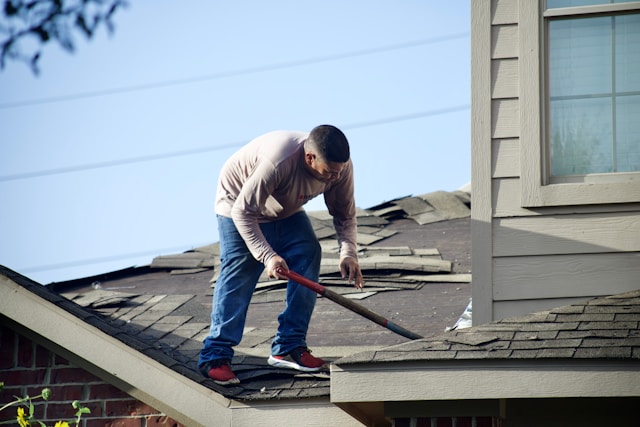
Spring often reveals damage caused by freezing temperatures.
Common problems include:
- Loose shingles
- Damaged flashing
- Cracked sealants
- Blocked gutters
- Roof debris
Inspecting your roof after winter helps prevent leaks during spring rainfall.
Summer: Heat and UV Exposure
Many homeowners overlook the effects of summer.
High temperatures can:
- Dry out roofing materials.
- Cause expansion and contraction.
- Damage sealants.
- Fade roofing surfaces.
- Reduce shingle flexibility.
Regular inspections during summer help identify heat-related deterioration early.
Autumn: Falling Leaves and Storms
Autumn creates one of the busiest maintenance periods.
Leaves accumulate quickly inside gutters, restricting water flow.
Before winter arrives:
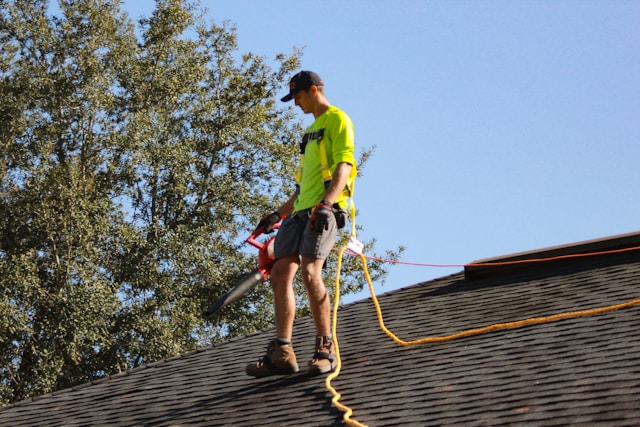
- Remove debris.
- Flush gutters.
- Inspect brackets.
- Secure flashing.
- Check downspouts.
Storm preparation during autumn reduces winter risks.
Winter: Snow and Ice
Winter weather can create serious roofing hazards.
Heavy snow adds weight while melting snow can refreeze and create ice dams that trap water beneath shingles.
Proper insulation and attic ventilation reduce these risks significantly.
Wind Damage
Strong winds occur throughout the year.
They may:
- Lift shingles.
- Loosen flashing.
- Break branches.
- Scatter debris.
- Damage gutters.
Inspect your roof after every major storm.
Rain and Drainage
Rain itself rarely damages roofs unless drainage systems fail.
Blocked gutters cause:
- Overflowing water
- Foundation problems
- Fascia damage
- Basement moisture
- Landscape erosion
Keeping gutters clean remains one of the simplest preventative measures.
Tree Maintenance
Nearby trees provide shade but also increase maintenance needs.
Trim branches to prevent:
- Scratches
- Falling limbs
- Leaf accumulation
- Animal access
Healthy trees help protect rather than damage your roof.
When to Schedule Professional Inspections
Experts recommend inspections:
- Every spring
- Every autumn
- After major storms
- Before buying or selling a home
Professional inspections often uncover hidden issues homeowners miss.
Protecting Your Investment
A roof replacement is one of the largest home investments.
Seasonal maintenance helps maximise its lifespan while reducing repair costs.
Conclusion
Every season affects your roof differently. Understanding these changing conditions helps homeowners plan inspections, clean gutters regularly, and complete small repairs before they become major structural issues. Preventative maintenance remains the most cost-effective way to protect your home year after year.